
Difference between Shibui Techo and Yume Techo: both are NozomuNoto digital planners, but they are made for different planning styles. This NozomuNoto planner comparison explains Shibui Techo vs Yume Techo so you can choose the planner size, structure, and planning depth that fits your real life.
If you are asking “which NozomuNoto planner should I choose?”, use this quick frame: Yume Techo is the fuller planner system, while Shibui Techo is the lighter weekly or monthly planner path.
Quick comparison
Choose Shibui Techo if you want a simpler planner with a more focused setup, fewer decisions, and an easier start for everyday weekly or monthly planning.
Choose Yume Techo if you want a bigger planner system with more room for planning, notes, templates, sections, Life Planner pages, goals, and customization.
Both are hyperlinked NozomuNoto PDF planners and can work in the same PDF planner apps. The better choice depends on whether you want a minimalist digital planner comparison or a fuller Japanese digital planner comparison between two NozomuNoto series. If you compare Yume Techo vs Shibui Techo, start with planner depth first.
If you are a beginner and feel overloaded, start with the one that feels easier to open every day. If you want one planner to hold many life areas, Yume Techo may fit better.
Quick answer
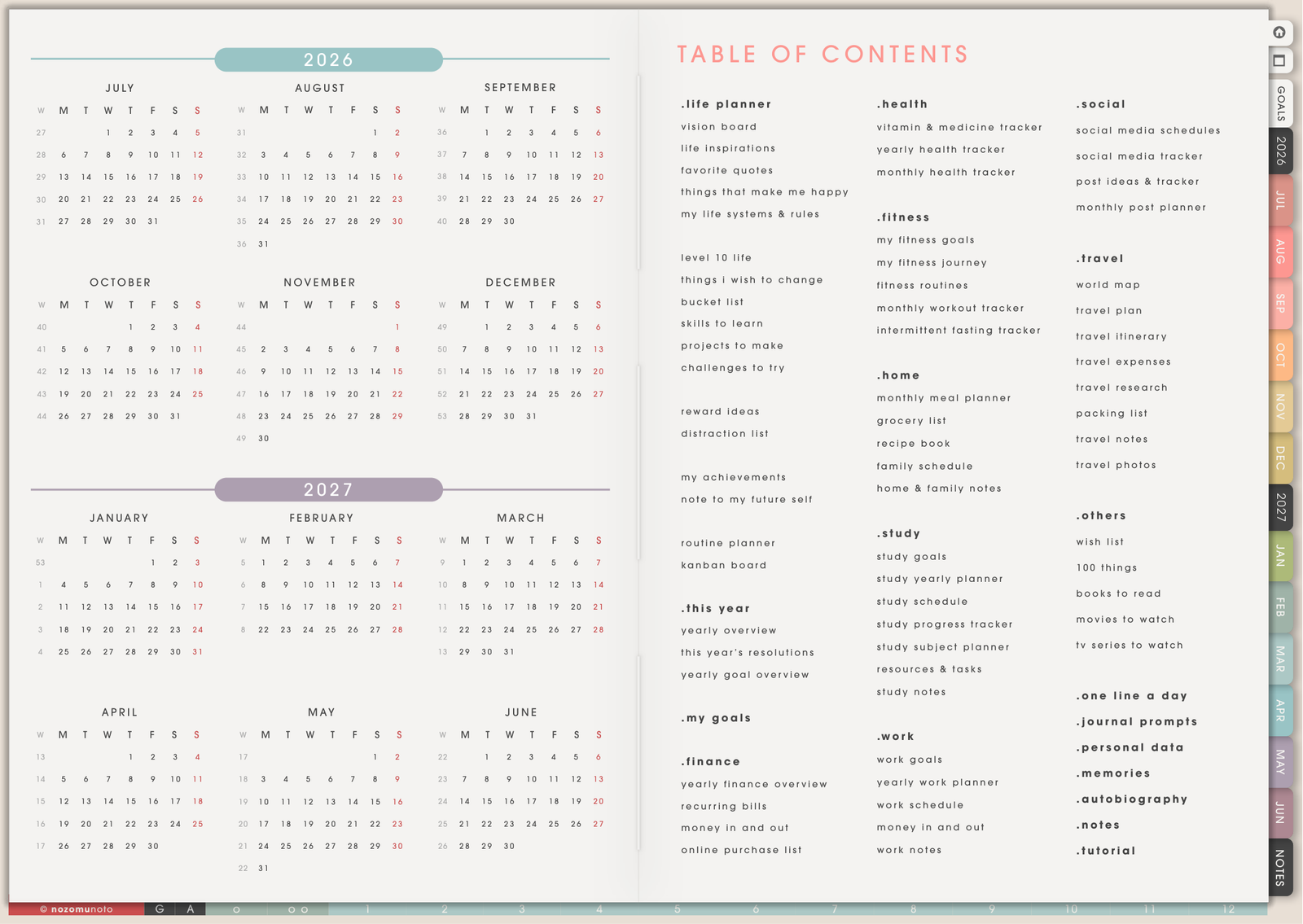
- Yume Techo: best if you want more structure, dated planning pages, Life Planner pages, goals, templates, notes, and a guided planner system.
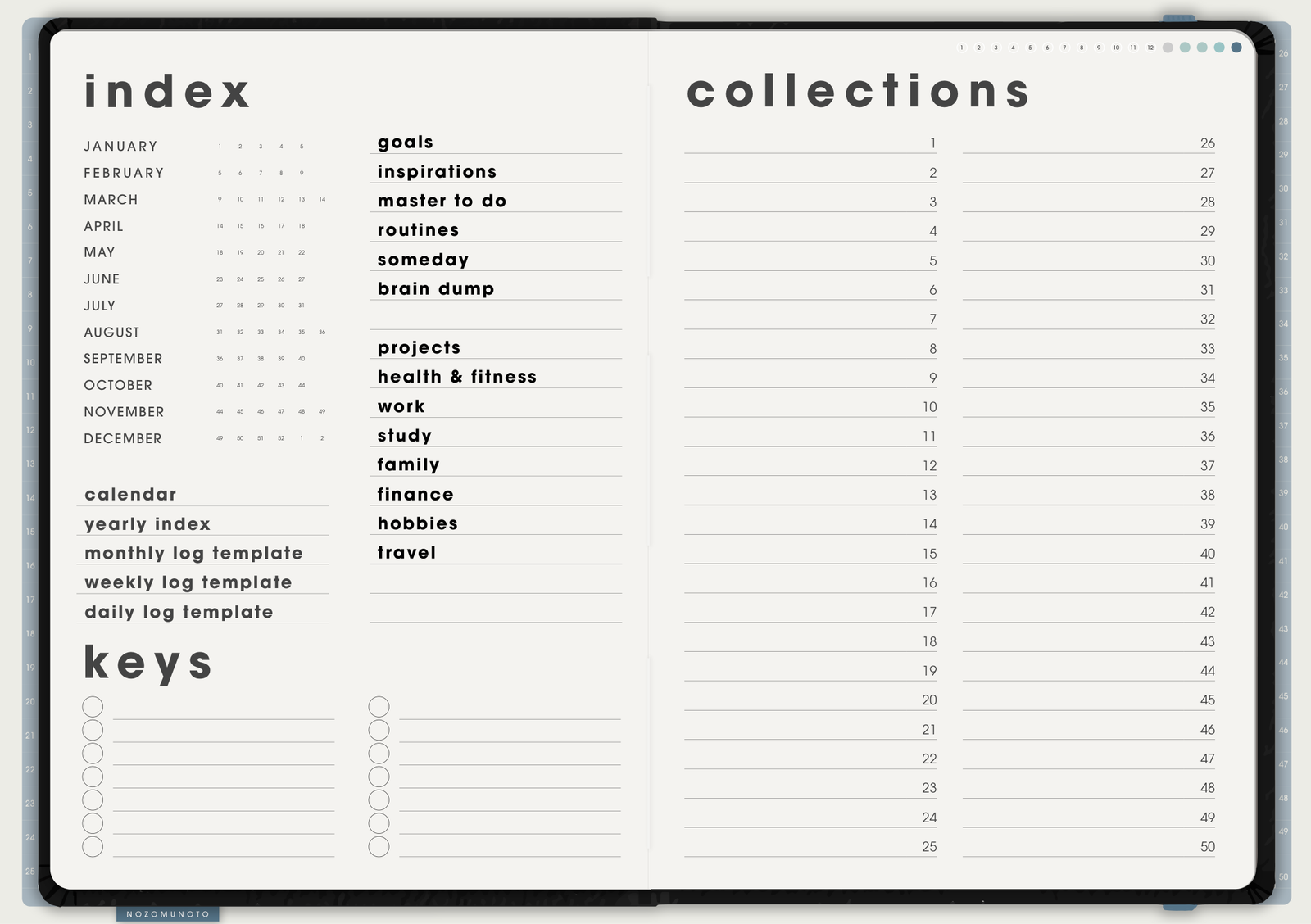
- Shibui Techo: best if you want a cleaner planner with calendar pages, index pages, and enough structure without a large life-planner setup.
- Shibui Weeks: choose this when your planning rhythm is mostly weekly.
- Shibui Months: choose this when you mostly need month-at-a-glance planning.
Main differences
- Planner depth: Yume Techo is a full planner system. Shibui Techo is a lighter calendar-first planner.
- Page variety: Yume Techo includes more dated pages, Life Planner pages, goals, notes, and templates. Shibui keeps the structure simpler.
- Setup feeling: Yume Techo gives more places to organize life. Shibui gives fewer decisions when opening the planner.
- Best planning style: Yume Techo is better for full life planning, school/work/home systems, and long-term goals. Shibui is better for simple weekly or monthly planning.
- Best mood: Yume Techo feels like a complete planner home. Shibui feels like a clean planning notebook with calendar structure.
Choose Yume Techo if
- You want a full dated planner. Yume Techo gives yearly, monthly, weekly, and daily pages in one product.
- You want planning areas beyond the calendar. It includes Life Planner, goals, finance, health, home, study, work, travel, notes, templates, and more depending on the version.
- You like having a built-in map. Index pages, tabs, tutorial pages, and page sections help you understand where everything lives.
- You want one main planning home. It can hold school, work, family, projects, routines, and long-term goals in one place.
- You want room to grow. You can start with only Monthly and Weekly, then use Life Planner, templates, and notes later.
Choose Shibui Techo if
- You want something lighter. Shibui Techo is better if big planners make you avoid planning.
- You prefer weekly or monthly focus. Choose Shibui Weeks for a week-based rhythm, or Shibui Months for month-at-a-glance planning.
- You like flexible notes around a calendar. It is useful if you want structure without too many extra life sections.
- You want a simple bullet-journal feeling. It can feel closer to rapid logging, flexible lists, and simple planning.
- You want a smaller system to fill. Shibui works well when you want a planner you can open quickly and keep simple.
Common situations
- Busy school year: choose Yume Techo if you need assignments, exams, goals, notes, and daily planning together.
- Simple work/home planning: choose Shibui if you mainly need a weekly or monthly map with flexible notes.
- ADHD or overwhelm: choose Yume Techo if you want structure and many landing places; choose Shibui if too many pages make you freeze.
- Creative projects: choose Yume Techo for a full project system, or Shibui if you just need dates plus notes.
- Family planning: choose Yume Techo if you want home, routine, health, finance, and goal pages together; choose Shibui if you mainly need a shared weekly or monthly overview.
- Work planning: choose Yume Techo if your work has projects, deadlines, notes, meetings, and follow-ups; choose Shibui if your work plan is mostly a clean calendar and task list.
When this choice gets tricky
1. You want the full Yume Techo system, but feel overwhelmed
What happens: Yume Techo has the pages you want, but the number of pages makes you worry you will not use it all.
Example: you like the Life Planner, goals, templates, notes, monthly, weekly, and daily pages, but you also know that too many options can make planning harder to start.
What to do: choose Yume Techo if you truly want the extra structure, then start with only Index, Monthly, Weekly, and one Notes or Template page. Every page can wait until it has a real job.
2. Shibui feels simpler, but you need more life planning
What happens: Shibui looks easy to open, but your planning includes goals, routines, projects, study, finance, health, home, or many notes.
Example: a weekly or monthly view is enough for appointments, but not enough for the full planning life you want to keep in one place.
What to do: choose Yume Techo if you want one main planning home. Choose Shibui if you prefer a lighter calendar and you are happy keeping deeper notes somewhere else.
3. You only want the current week to feel clear
What happens: a large system is more than you need; you mostly need one clean week or month that is easy to return to.
Example: you plan shifts, errands, appointments, bills, and a few tasks. Goal pages, life sections, and many templates would be more than this setup needs.
What to do: choose Shibui Weeks for a week-based rhythm or Shibui Months for month-at-a-glance planning.
4. You want a planner that can grow with you
What happens: your current needs are simple, but you want room for school terms, projects, goals, routines, notes, and life planning later.
Example: this month is quiet, but the school year, shop season, family schedule, or work projects will become more complicated soon.
What to do: choose Yume Techo if growth matters. You can keep it simple now and use more sections later.
If you are still unsure
Choose Yume Techo when your life needs more containers. Choose Shibui Techo when your planning needs a lighter path. Both can work beautifully; the best choice is the one you will actually open tomorrow.