
Browse tips
Yume Techo Use Cases
- As a Student
- As a Teacher
- For Moms & Family
- For Work
- For Creative Projects
- For Bible Study
- For Small Business
- For Content Creation
- For Fitness & Health
- For Travel
- For Rapid Logging
- For Life Planning
- For Journaling & Reflection
- For Budget & Finance
- For Meals & Grocery
- For Project Planning
- For Home Management
- For Creative Writing
- For Music Writing
- For Brainstorming
- For Homeschooling
Page-by-Page Use Ideas
Essential Template Pages
Planner Pages
- Index
- Finance page ideas for calm money check-ins
- Journal prompt ideas for days when your mind feels blank
- Recurring Bills / Subscriptions page ideas
- Money In And Out page ideas
- Online Purchase List page ideas
- Vitamin & Medicine Tracker page ideas
- My Fitness & Inspirations page ideas
- Fitness Journey page ideas
- Monthly Meal Planner page ideas
- Grocery List page ideas
- Recipe Book page ideas
- Family Schedule page ideas
- Study Progress Tracker page ideas
- Subject Planner page ideas
- Social Media Schedule page ideas
- Social Media Tracker page ideas
- Post Ideas page ideas
- Travel Planner page ideas
- Travel Research page ideas
- Travel Itinerary page ideas
- Packing List page ideas
- Travel Photos page ideas
- Wish List page ideas
- 100 Things page ideas
- Books To Read page ideas
- Movies To Watch page ideas
- TV Series To Watch page ideas
- One Line A Day – Journal page ideas
- Memory Photos page ideas
- Best Life Moments page ideas
- Top 30 Media page ideas
- Yearly Finance Overview page ideas
- Yearly Health Tracker page ideas
- Monthly Health Tracker page ideas
- Fitness Routines page ideas
- Monthly Workout Tracker page ideas
- Intermittent Fasting Tracker page ideas
- Study Yearly Planner page ideas
- Study Schedule page ideas
- Resources / Tasks page ideas
- Work Yearly Planner page ideas
- Work Schedule page ideas
- Monthly Post Planner page ideas
- Travel Expenses page ideas
- World Map page ideas
- Daily Weekly Monthly Routines page ideas
- 30 Day Challenge Tracker page ideas
Life Planner Pages
- Life Planner
- Vision Board
- Bucket List
- Level 10 Life
- Resolutions
- Yearly Goal Overview
- Goal Planner
- Kanban Board
- Life Inspirations
- Favorite Quotes
- Things That Make Me Happy
- My Life Systems and Rules
- Things I Need To Change
- Skills To Learn
- Projects To Make
- Challenges To Try
- Reward Ideas
- Distraction List
- My Achievements
- Note To My Future Self
- 30 Day Challenges page ideas
ADHD Planning Tips
Books
More Planning Ideas
2026-2027 Planner Ideas
Digital Planning Basics
- E-reader planner workflow for Boox, Supernote, Kindle Scribe, reMarkable, and Bigme
- GoodNotes planner setup ideas for Yume Techo
- How to use stickers and widgets without cluttering your planner
- GoodNotes links not working? Check these planner settings first
- How to use a digital planner with Google Calendar or Apple Calendar
- Digital planning for paper-planner people: how to make Yume Techo feel natural
Productivity / Procrastination Tips
Atomic Habits review: tiny habits you can turn into Yume Techo pages
Key takeaways from Atomic Habits, translated into weekly routines, tiny starts, trackers, and realistic Yume Techo experiments.
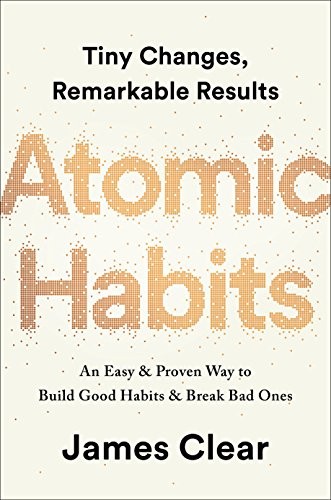
Atomic Habits is useful for planner people because it makes progress feel smaller. This review shows how to use Yume Techo to test one tiny behavior for one week, then decide if it deserves more space.
What this book helps with
Atomic Habits is strongest when everybody stops treating habits as a personality makeover and starts treating them as tiny repeatable loops. In Yume Techo, that means cue, smallest action, fallback, and review.
The planner job is not to prove a perfect streak. It is to make the next repeat easier: where the habit starts, what the low-energy version is, and what you learned after one ordinary week.
How to use Atomic Habits with Yume Techo
- Main takeaway: one tiny behavior, one cue, and one easy restart rule
- Planner pages to open: Routines, 30 Day Challenge Tracker, Weekly, and Weekly Review
- One-week experiment: put the cue on Weekly, track the smallest version, and review after one normal messy week
- Keep it realistic: track one habit first, even if the book makes you feel motivated to change ten things
One-week Yume Techo experiment from Atomic Habits
- Choose one tiny loop: Pick one habit that already has a natural cue, such as after coffee, after lunch, after class, after closing the shop, or before bed.
- Write the tiny version on Weekly: Use the smallest start: open planner, read one page, put shoes by door, wash one cup, or write the first sentence.
- Track the cue, not only success: Use Routines or 30 Day Challenge Tracker to mark what happened around the habit: tired, rushed, forgot, travel, or low energy.
- Adjust the environment: If the habit did not happen, change one friction point before blaming motivation: supplies, time, reminder, location, or size.
What to write in Yume Techo from Atomic Habits
- Open the right page: Routines or 30 Day Challenge Tracker is the best starting place for this book idea.
- Write the usable note: write the cue, tiny routine, low-energy version, and the reward the habit is trying to give.
- Move the next step into this week: Use the note from Atomic Habits to choose one Weekly or Daily action that starts the experiment.
- Review the result: notice whether the cue, routine, or reward needs to be smaller or clearer.
Yume Techo pages to pair with Atomic Habits
- Notes: Keep quotes, page numbers, and rough thoughts here first so reading stays easy.
- Weekly: Move only one usable idea into the current week.
- Weekly Review: Ask what the idea from Atomic Habits made clearer, easier, calmer, or more honest.
Planner takeaways to use
1. Make the habit visible on Weekly
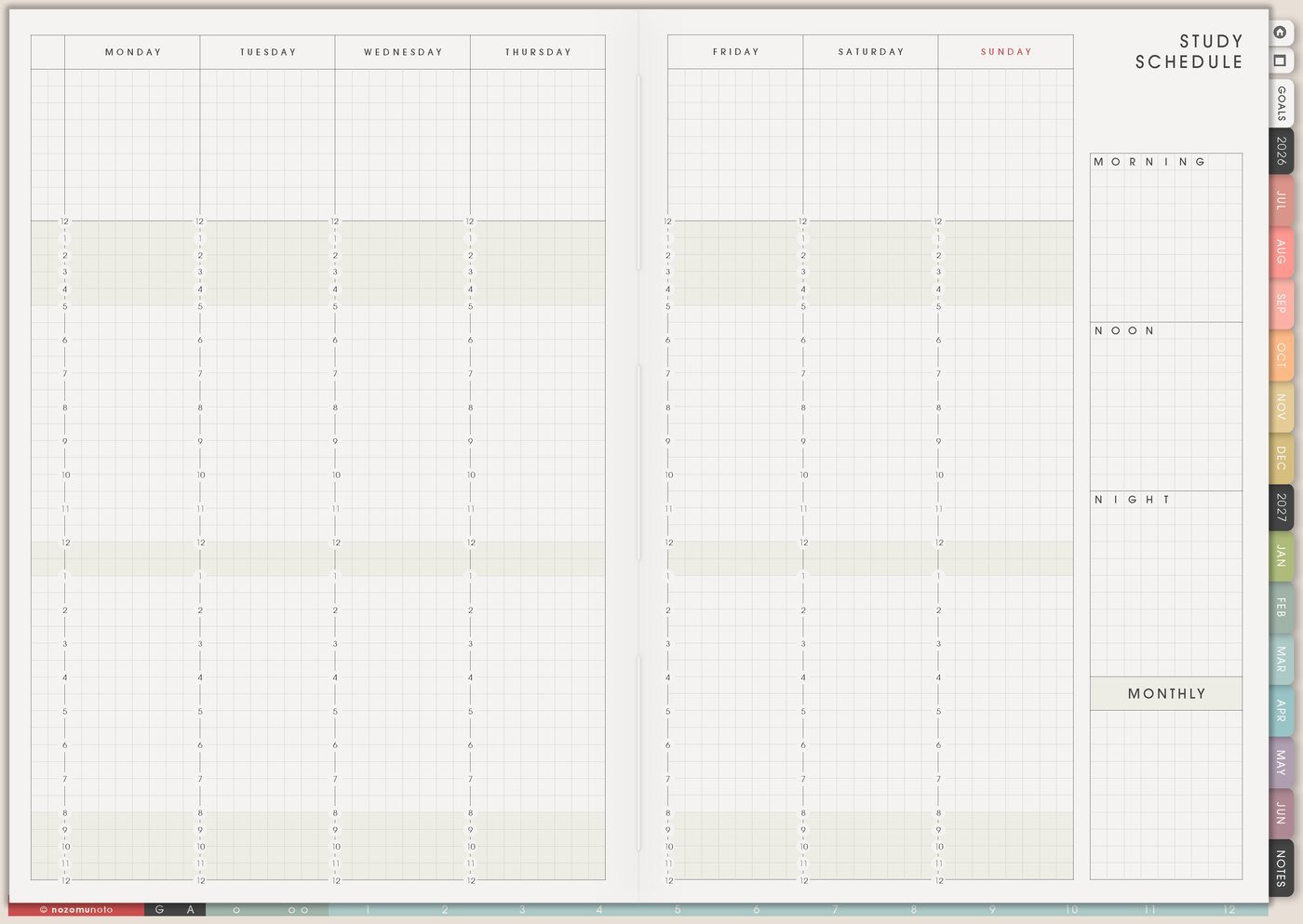
Choose one habit and write it beside the day it belongs to. Use Weekly for the cue, not a giant promise. A habit like “read more” becomes “read two pages after lunch.”
- Use: Weekly page, Daily page, 30 Day Challenge Tracker.
- Example: After breakfast, open planner and write the top three tasks.
2. Write the two-minute version first
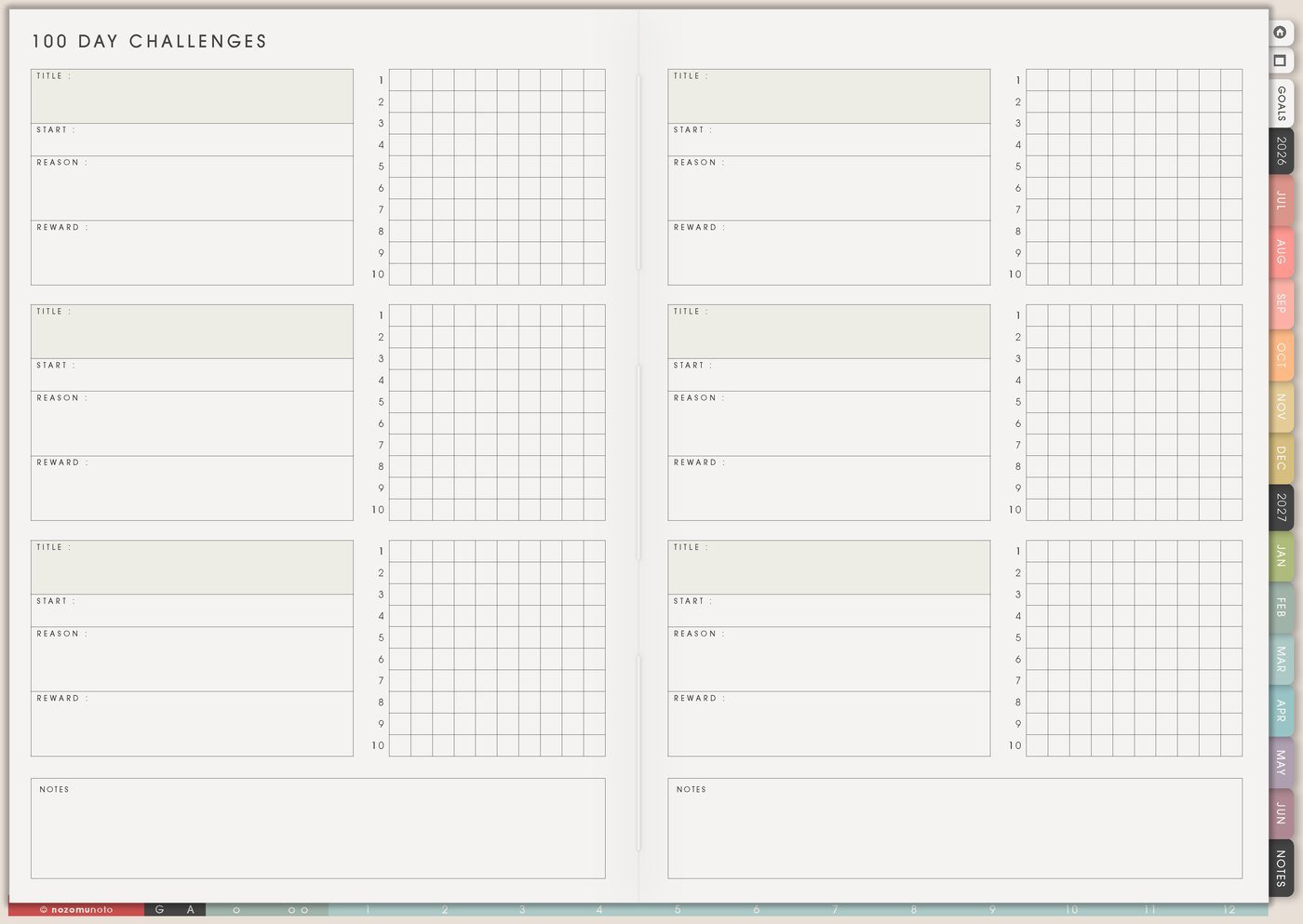
Before tracking the ideal habit, write the starter version. For exercise, the starter might be shoes on. For study, open the notes. For home care, put laundry in the basket.
3. Design the page around friction
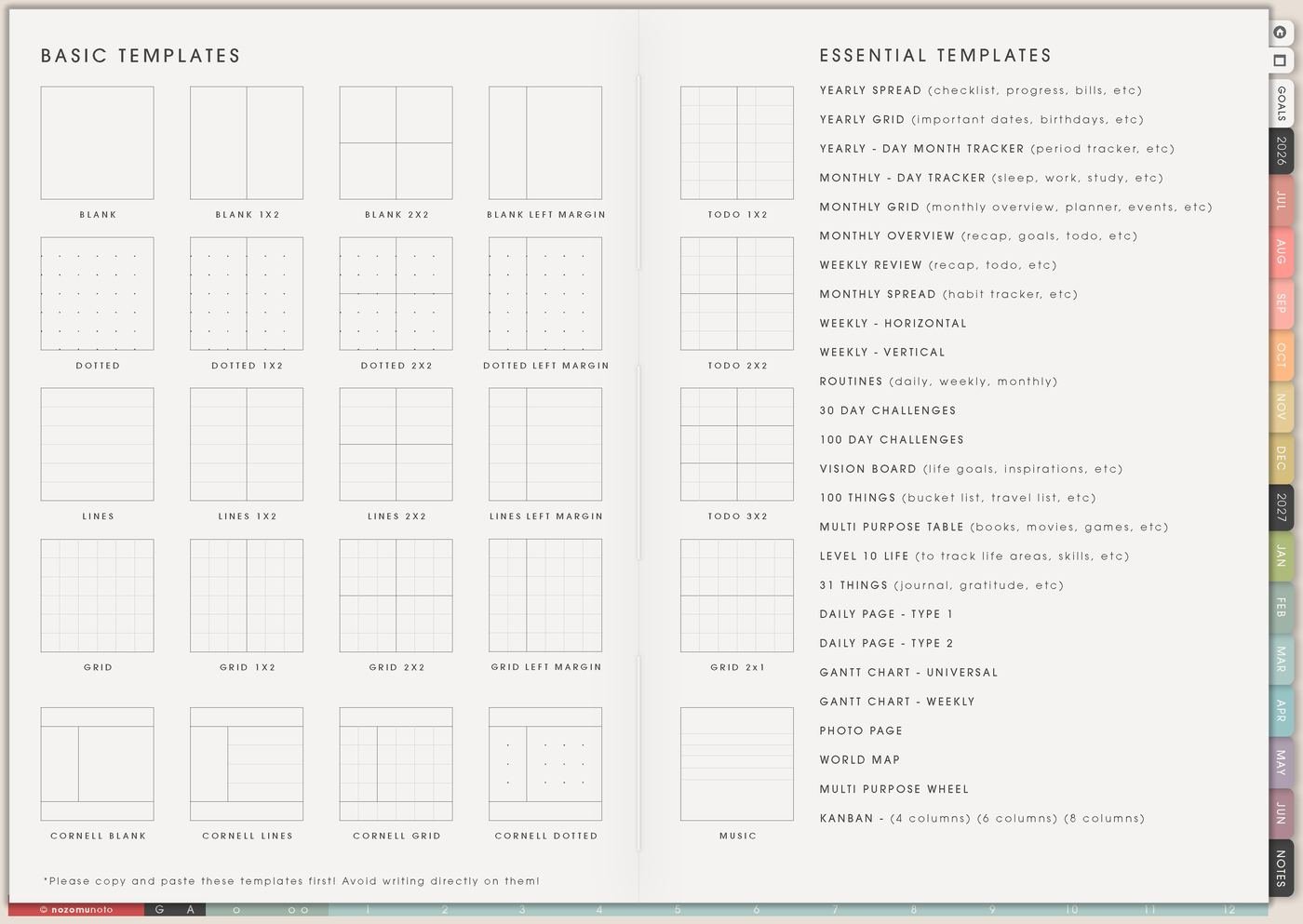
Use Notes or Template Pages to list what makes the habit hard: missing supplies, unclear start, wrong time, too many steps, no reminder. Then remove one friction point.
4. Use a tracker for patterns you can act on
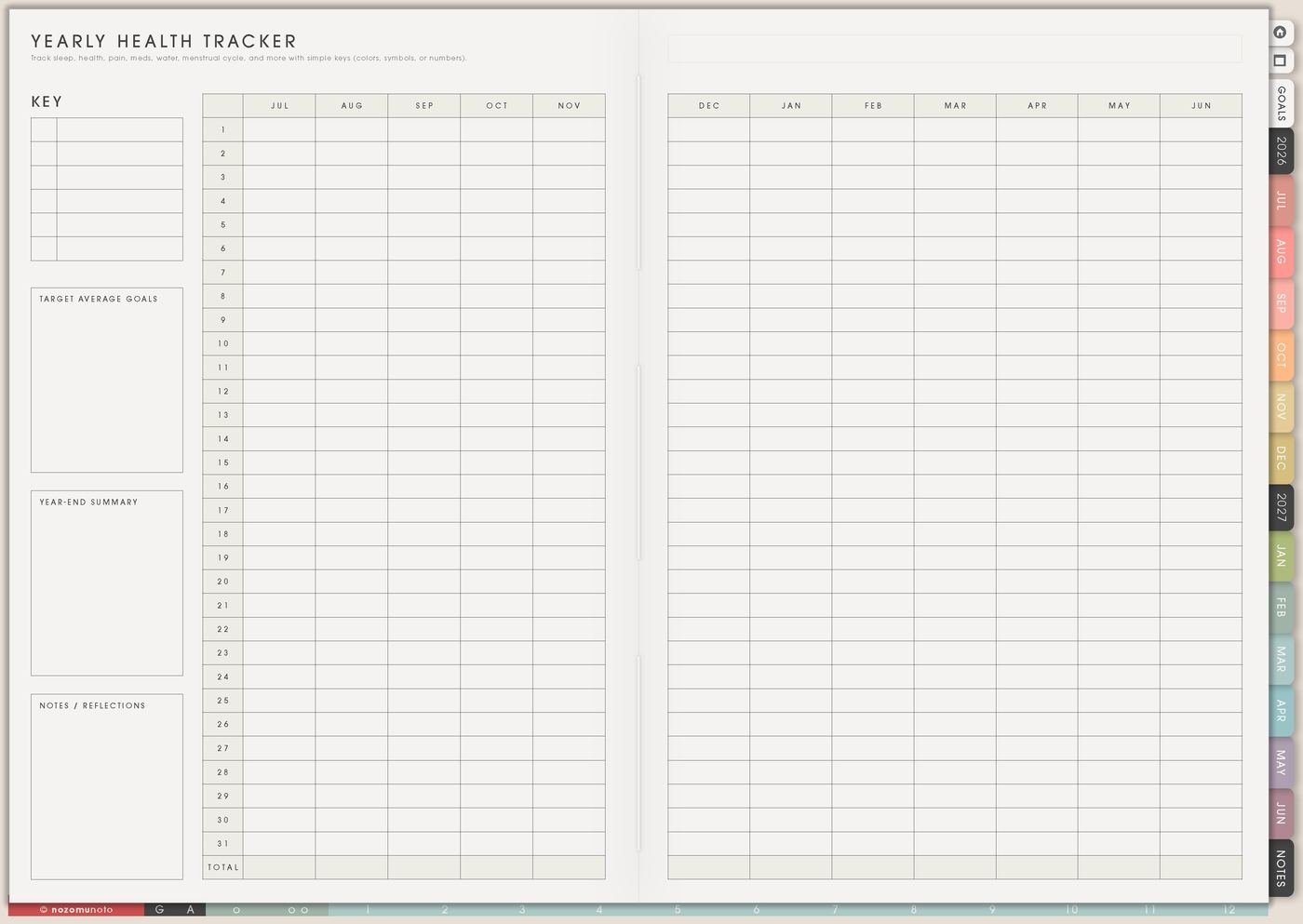
A tracker should show patterns. If the habit only happens on quiet days, that is useful information. Add notes like tired, travel, sick, busy, or forgot.
5. Review after seven days
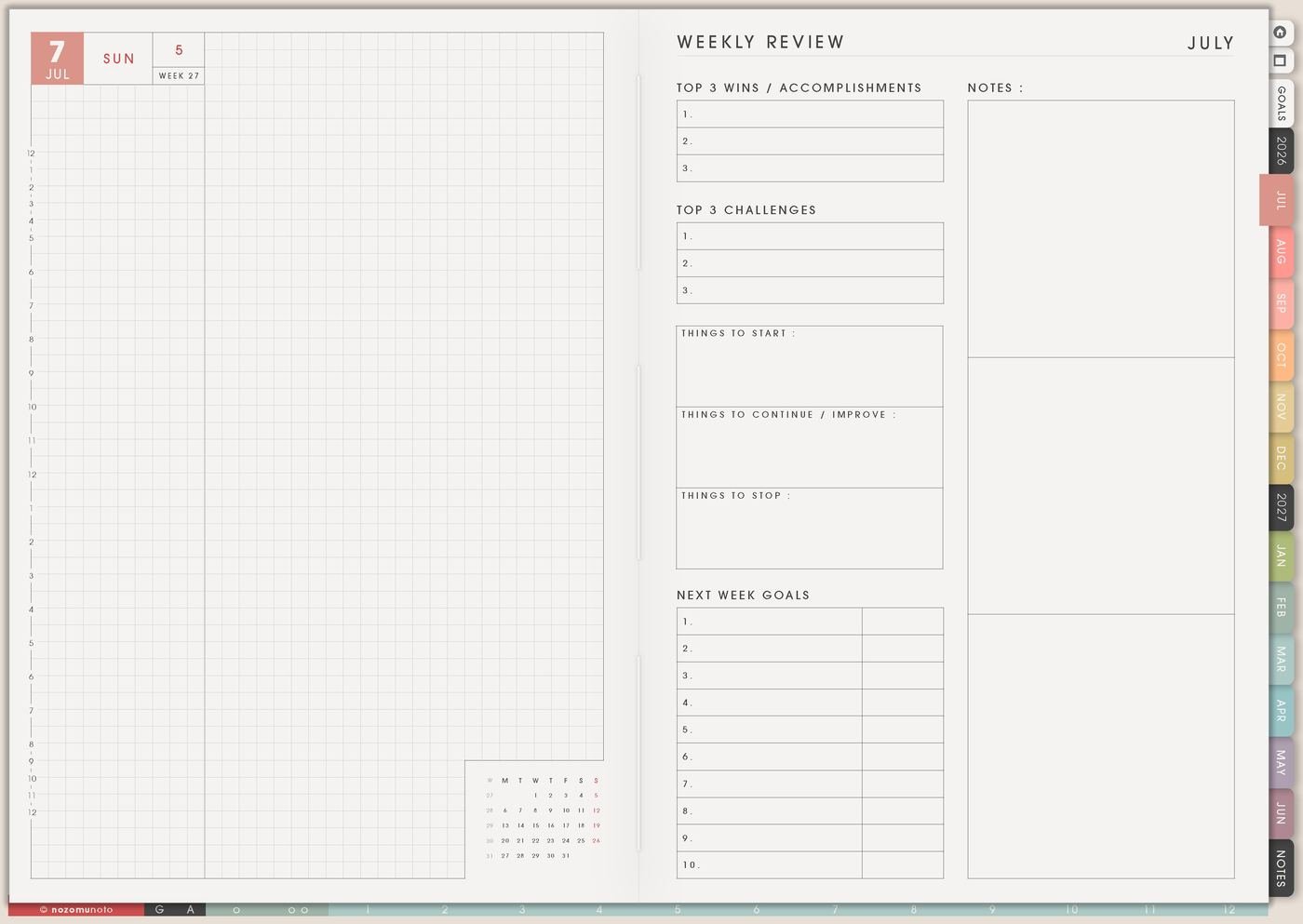
Use Weekly Review to write keep, change, or drop. The book is about systems, and a system needs feedback. If real life keeps rejecting the habit, make the habit smaller or choose a different cue.
How to try it for one week
Problems you may have when applying this book
1. You track too many habits
When this happens: The page captures the final date, but the work before the date stays invisible. That makes the task feel fine until it suddenly becomes urgent.
For example: You write "essay due Friday" on Monthly, but the middle steps are missing: choose topic, find sources, outline, draft, revise, and submit.
Start with one habit per week. Five new habits often means five places to maintain at once.
2. You break the streak and quit
When this happens: Falling behind usually means the plan needs a smaller restart path. The useful move is to restart from what still matters, not to rebuild every missed page.
For example: You miss two study days, then spend the next evening rewriting the plan instead of choosing the nearest exam step or assignment step.
Use a restart mark. A skipped day is information, not the end of the experiment.
3. The habit is still vague
When this happens: The page captures the final date, but the work before the date stays invisible. That makes the task feel fine until it suddenly becomes urgent.
For example: You write "essay due Friday" on Monthly, but the middle steps are missing: choose topic, find sources, outline, draft, revise, and submit.
Rewrite it with a cue and a first action: after coffee, open planner; after lunch, read two pages; before bed, write tomorrow’s first task.
Final thought
Atomic Habits works best in Yume Techo when one tiny loop makes tomorrow easier: cue, action, fallback, and a short weekly review.
Turn book notes into planner actions
Choose one useful idea, place it on Weekly, and review whether it helped before collecting more notes.
Browse NozomuNoto products
Find the planner, notebook, e-reader file, or add-on that fits the way you actually plan.
About NozomuNoto
NozomuNoto creates Japanese-inspired digital planners, notebooks, stickers, and e-reader PDFs for people who want calm pages that still work in real life.
Yume Techo is built with dated yearly, monthly, weekly, daily, Life Planner, Planner Pages, and Template Pages so one planner can hold study, work, home, ADHD-friendly resets, lists, and creative projects without adding paper bulk.
New to digital planning? Start there, use the Help Center for setup support, or browse NozomuNoto products when you are ready to choose your planner.